
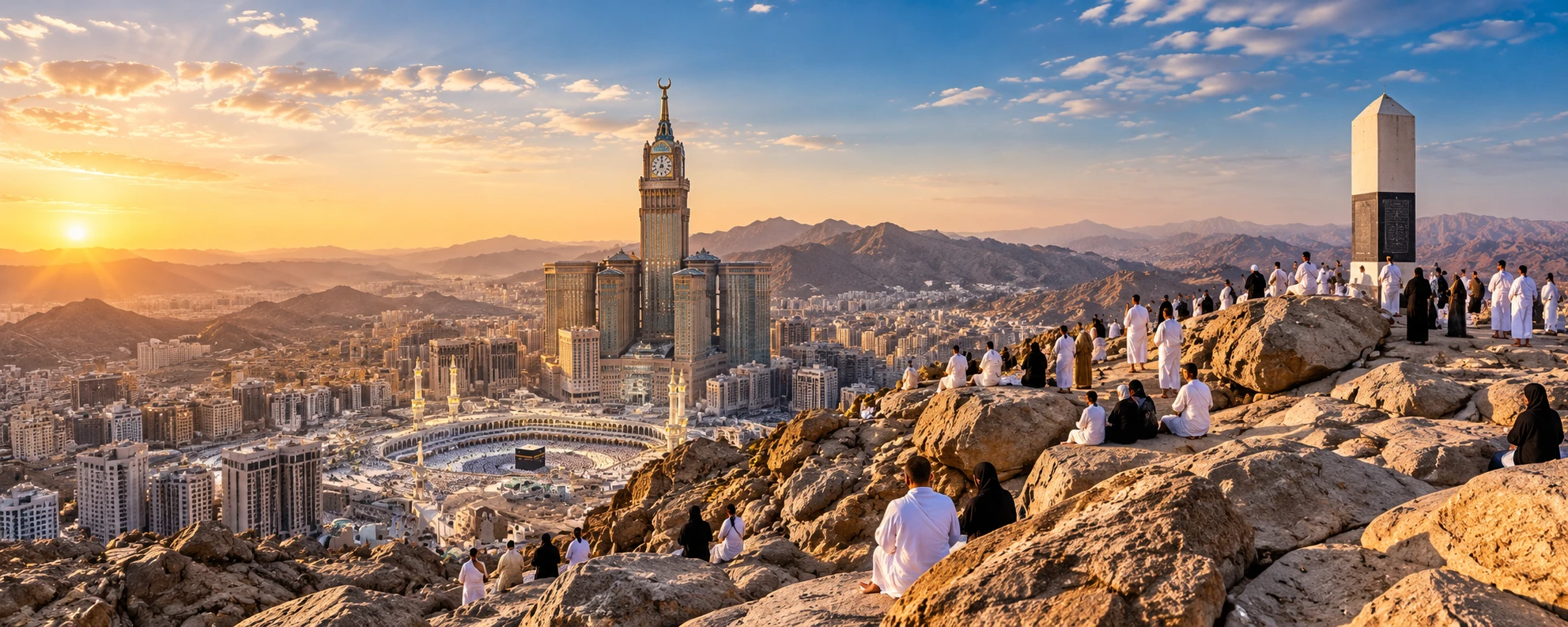
Why a planned ziyarah trip helps
Most of Makkah’s historic sites sit well outside the Haram area, in different directions, and taxis rarely wait while you look around. A planned trip takes your family or group from one site to the next and back to your hotel, at your own pace. You can stop as long as you like, and you won’t be hunting for a ride in the heat.
Places you can visit in Makkah
These are the main places on a Makkah ziyarah. Tell us which ones you would like to see, and we will plan the order, the timings and the vehicle around your group.
Important: Jabal al-Nour and Jabal Thawr involve steep mountain climbs. Being on this list does not mean every site suits every visitor or is open at all times. Opening hours and visiting rules are set by each site and the authorities, some areas are being redeveloped, and access changes around the Hajj season, so we confirm what is open before your trip.
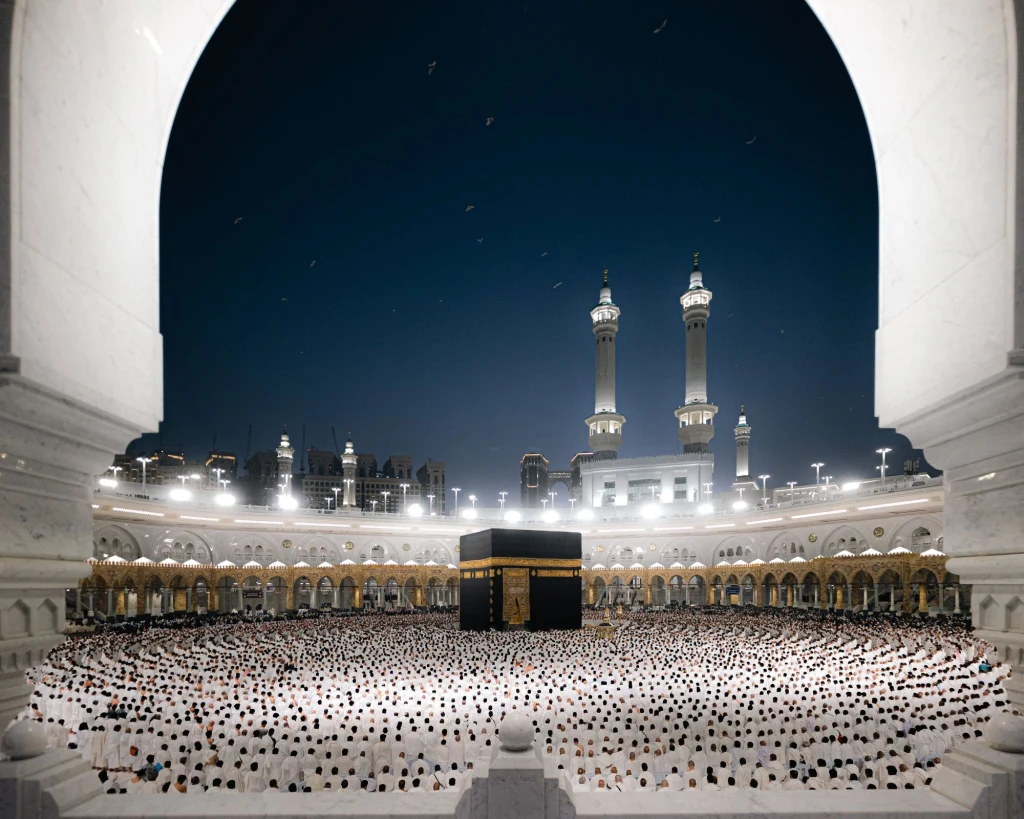
Masjid al-Haram
The Sacred Mosque around the Kaaba, the qiblah of every Muslim and the heart of Hajj and Umrah. We plan every ziyarah day around the prayer times here.
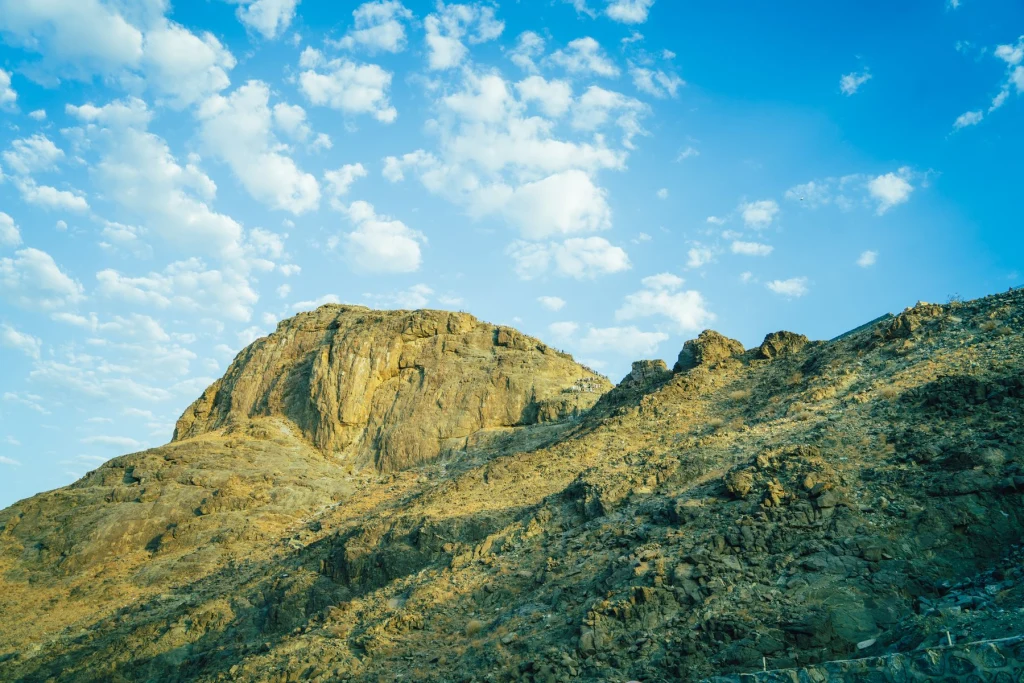
Jabal al-Nour
The Mountain of Light, north-east of the Haram, where the first verses of the Qur'an were revealed. The path is steep and takes about an hour each way, so many visitors view it from below.
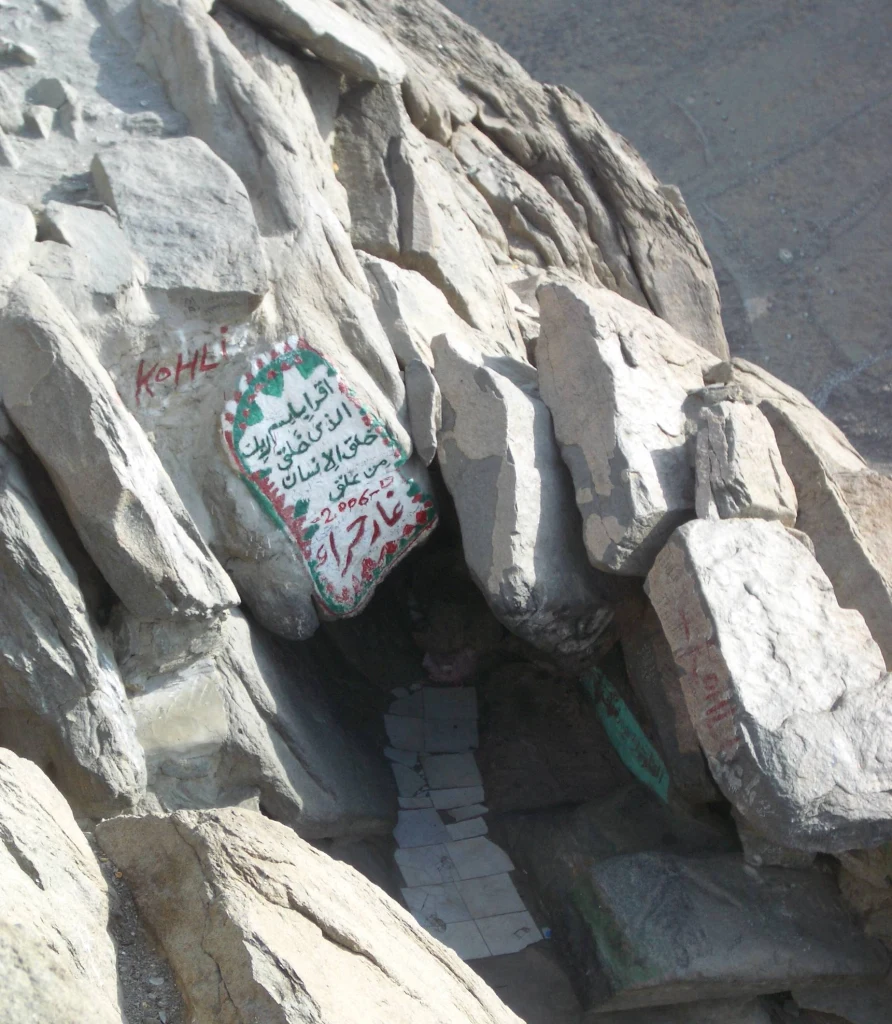
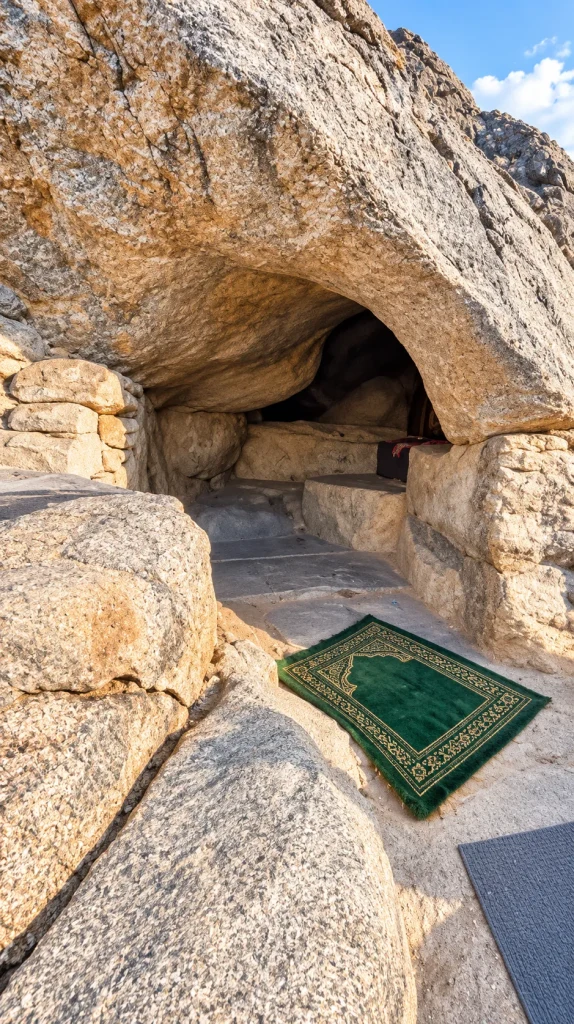
Ghar Hira (Cave of Hira)
The small cave near the top of Jabal al-Nour where the Prophet ﷺ used to worship in seclusion before Prophethood, and where Jibril first came to him with revelation.
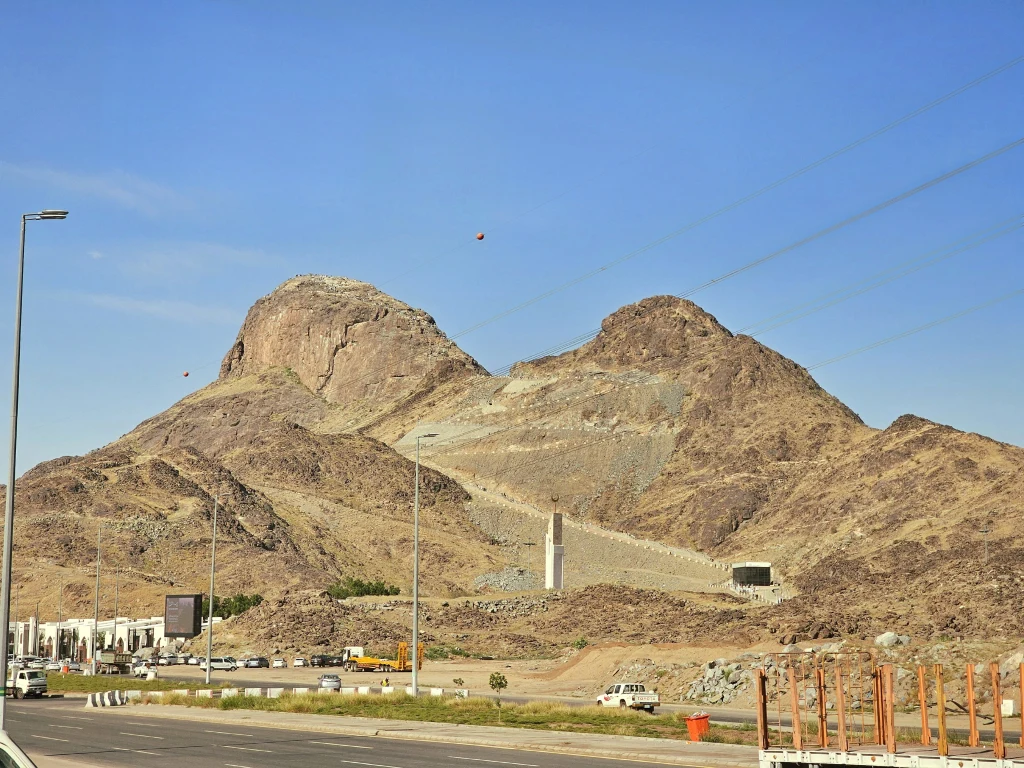
Ghar Thawr (Cave of Thawr)
The cave referred to in Surah at-Tawbah, where the two stayed for three nights before setting out for Madinah. Reaching it is a long and demanding climb.
Hira Cultural District
A newer destination at the foot of Jabal al-Nour, with gardens, a library, cafés and museums. A comfortable stop for families who will not climb the mountain.
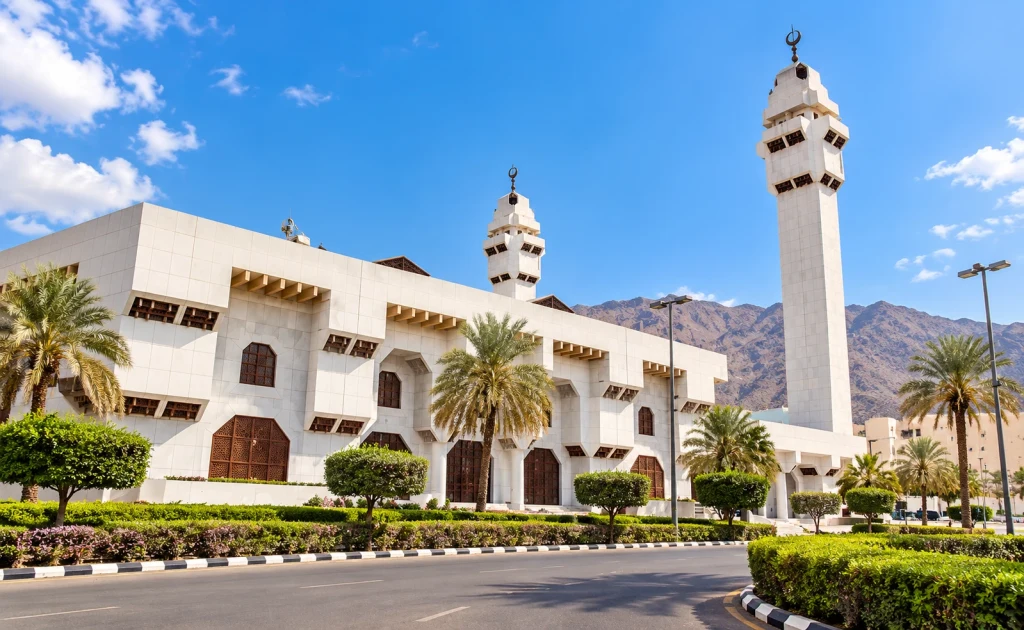
Masjid Aisha (Masjid at-Tan'im)
The nearest miqat to the Haram for people already in Makkah. Many come here to enter ihram for another Umrah, and the driver waits while you get ready.
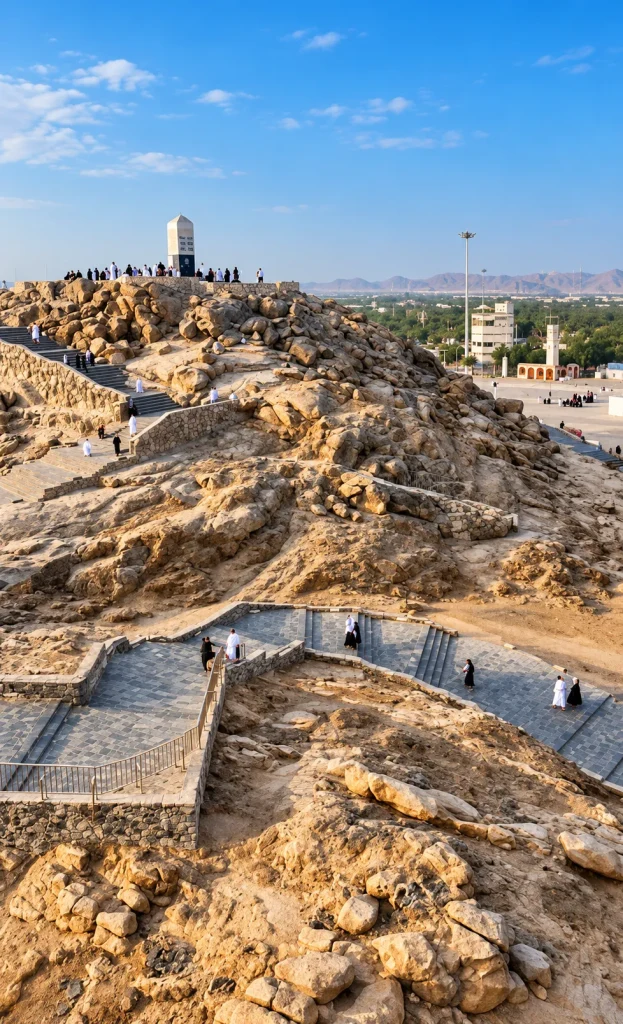
Jabal al-Rahmah (Mount of Mercy)
The rocky hill in the plain of Arafat with a white pillar at its top. Outside the Hajj days it is calm, and families visit to see where pilgrims stand on the Day of Arafah.
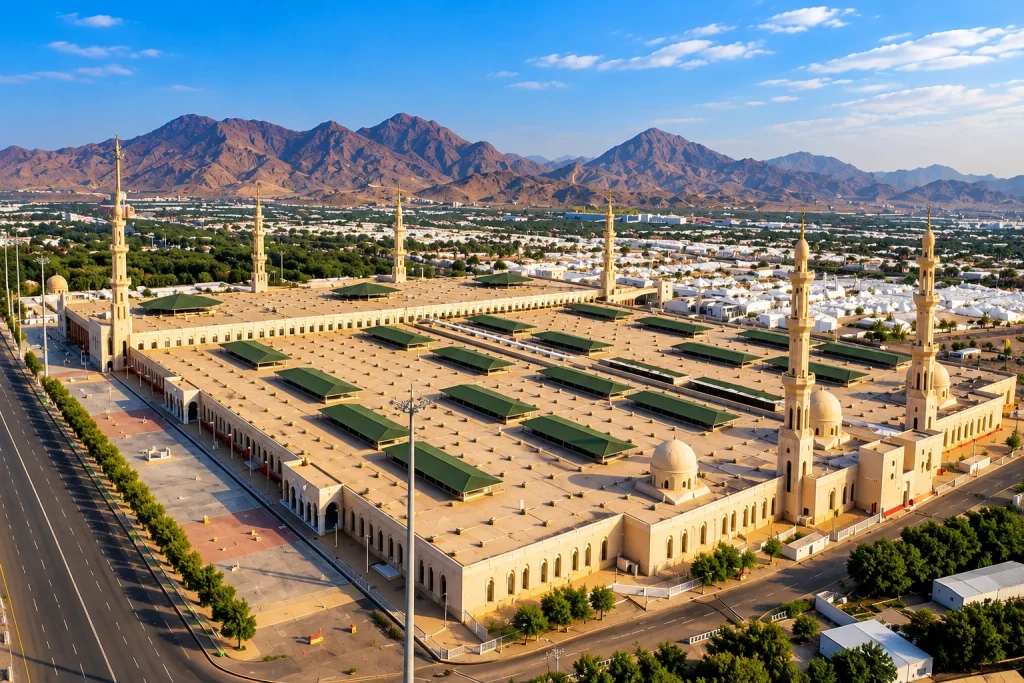
Masjid Namirah
On the western edge of Arafat. The Day of Arafah sermon is given here before the combined Dhuhr and Asr prayers. The front part of the mosque lies outside the boundary of Arafat.
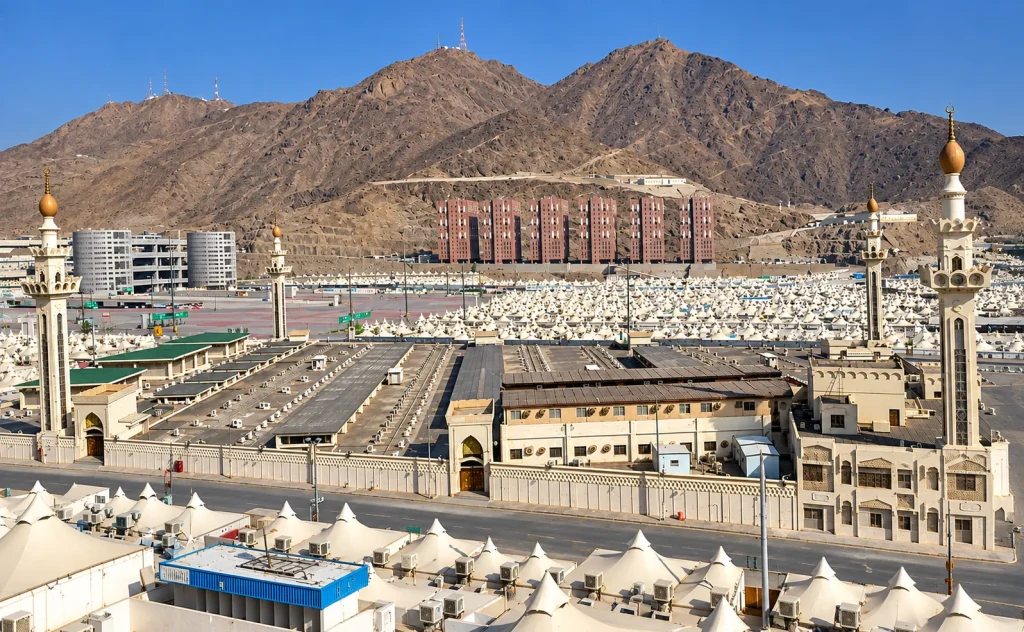
Masjid al-Khayf
The main mosque of Mina, on the southern side of the valley. The Prophet ﷺ prayed here during his Hajj, and it fills with pilgrims during the days of Tashreeq.
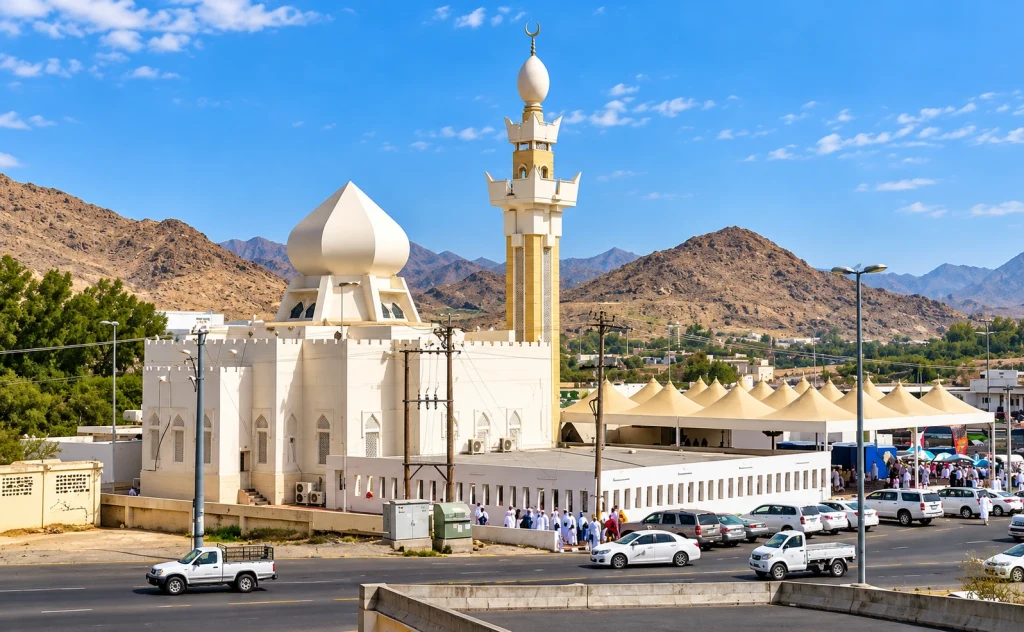
Masjid al-Ji'ranah
Around 25 km north-east of Makkah. The Prophet ﷺ entered ihram here for Umrah after the Battle of Hunayn, and pilgrims still use it as a miqat.
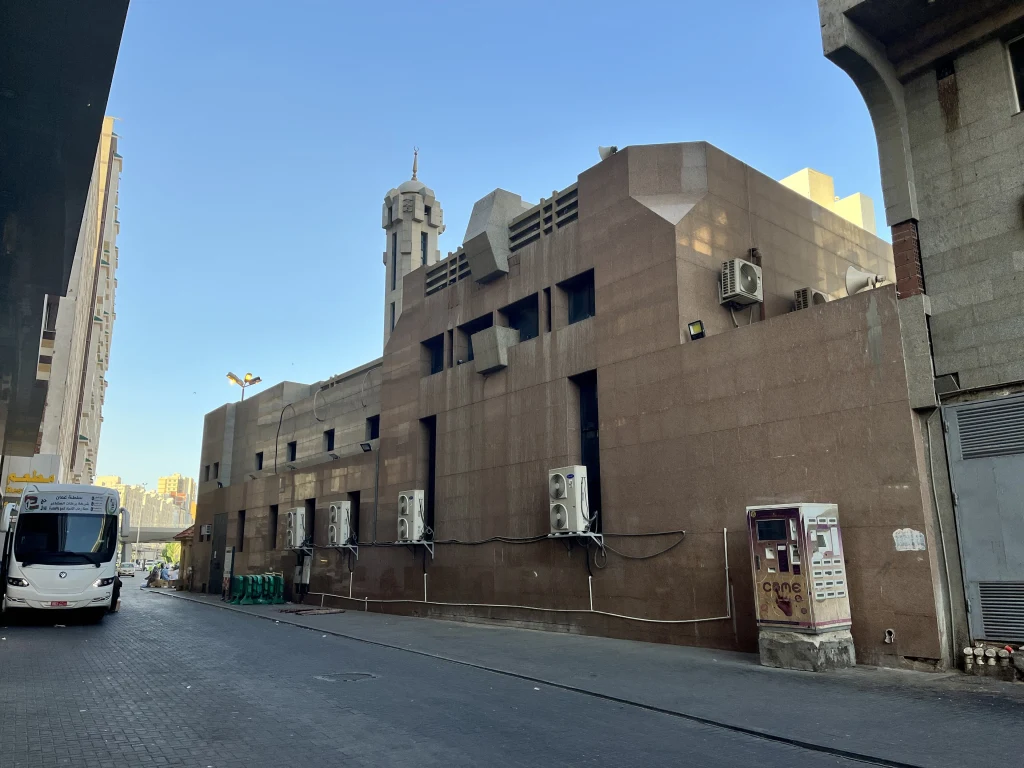
Masjid al-Jinn
Near Jannat al-Mu'alla. It marks the place where a group of jinn listened to the Prophet ﷺ reciting the Qur'an and believed, as told in Surah al-Jinn.
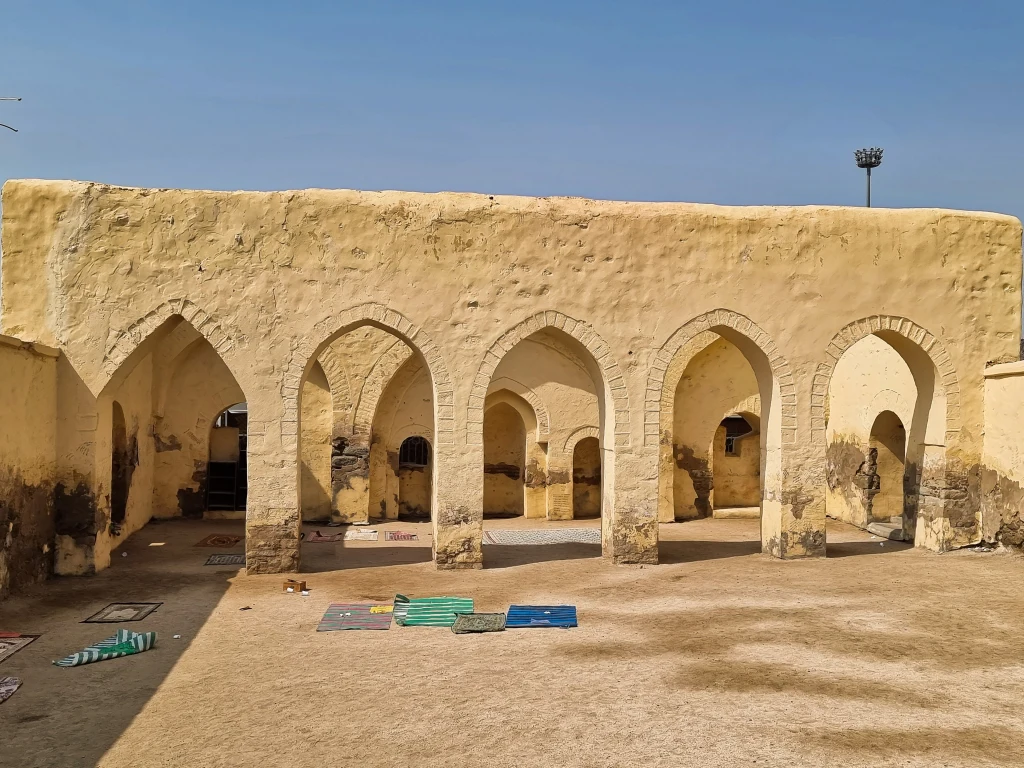
Masjid al-Bay'ah
A small historic mosque near Jamarat al-Aqabah in Mina, where the Ansar of Madinah gave their pledge to the Prophet ﷺ. The building goes back to the Abbasid era.
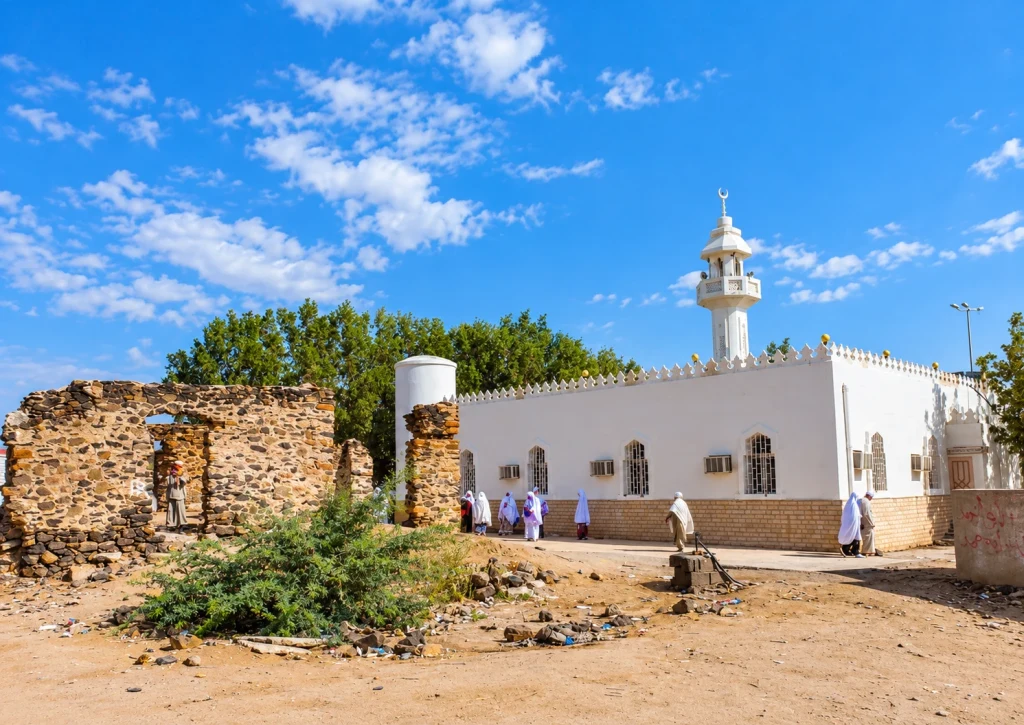
Al-Hudaybiyah
At al-Shumaisi on the old Jeddah road, west of Makkah. The Treaty of Hudaybiyah was agreed here in 6 AH, and the Pledge of Ridwan took place nearby.
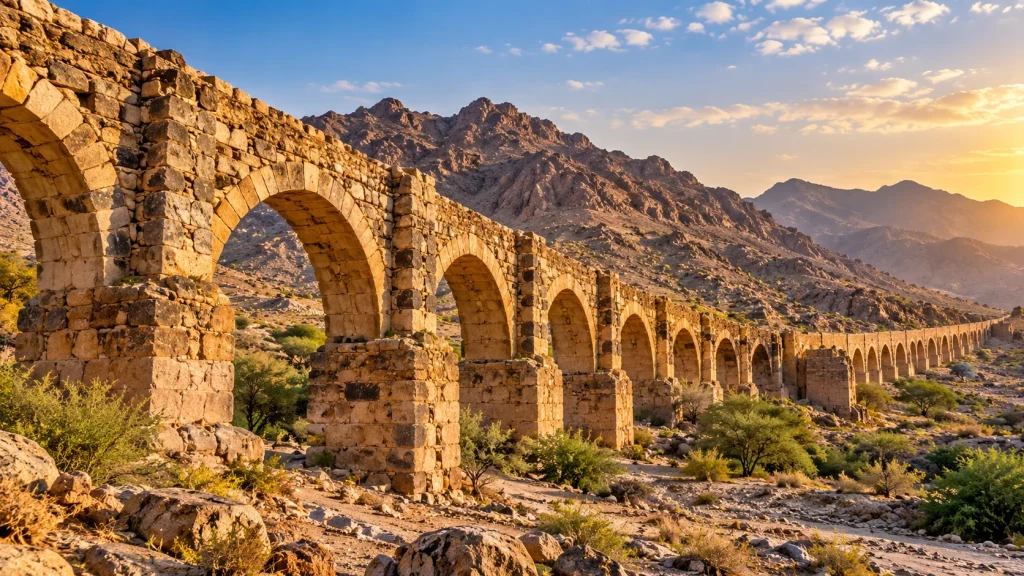
Ain Zubaydah
Remains of the great water channel built on the orders of Zubaydah, wife of Caliph Harun al-Rashid, to bring water to Makkah and the holy sites. Parts of its stone walls still stand near Arafat.
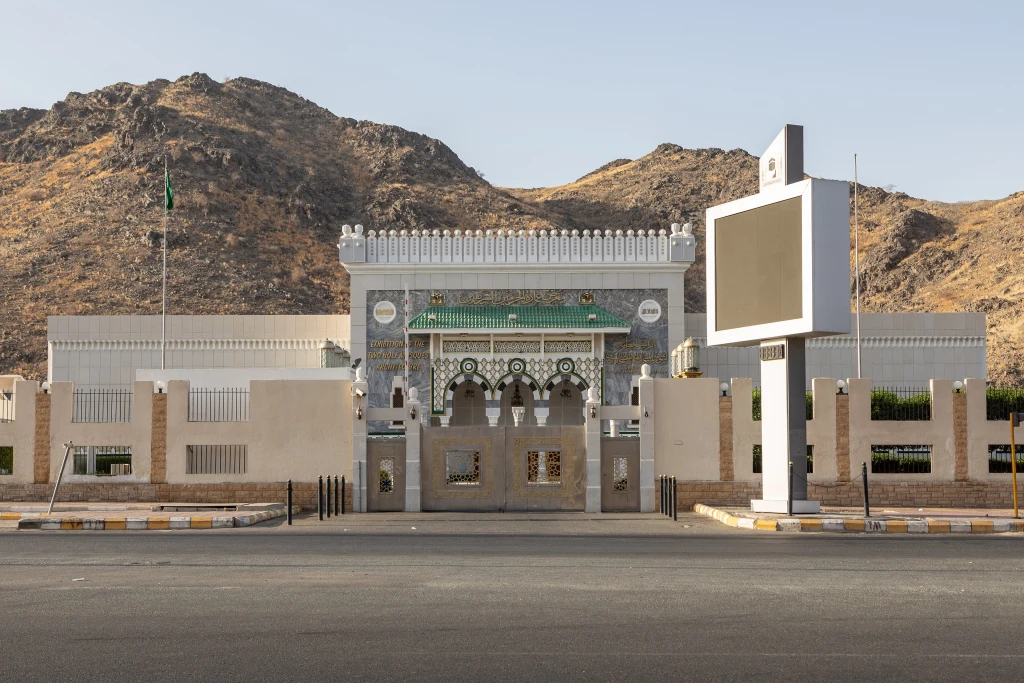
Two Holy Mosques Architecture Exhibition
Next to the Kiswa complex in Umm al-Joud. It shows old doors of the Kaaba, historic columns, the Kaaba's wooden staircase and models of both Holy Mosques.
Photo credits (Wikimedia Commons): Ghar Hira (Cave of Hira): User Nazli (Public domain) · Hira Cultural District: Kaliper1 (CC BY-SA 4.0) · Masjid al-Jinn: Sadrettin (CC BY-SA 4.0) · Masjid al-Bay'ah: Richard Mortel from Riyadh, Saudi Arabia (CC BY 2.0) · Two Holy Mosques Architecture Exhibition: Yasser.Bakhsh (CC BY-SA 4.0)
Jannat al-Mu’alla, Muzdalifah and the Jamarat in Mina can also be added on request.
A day trip to Taif
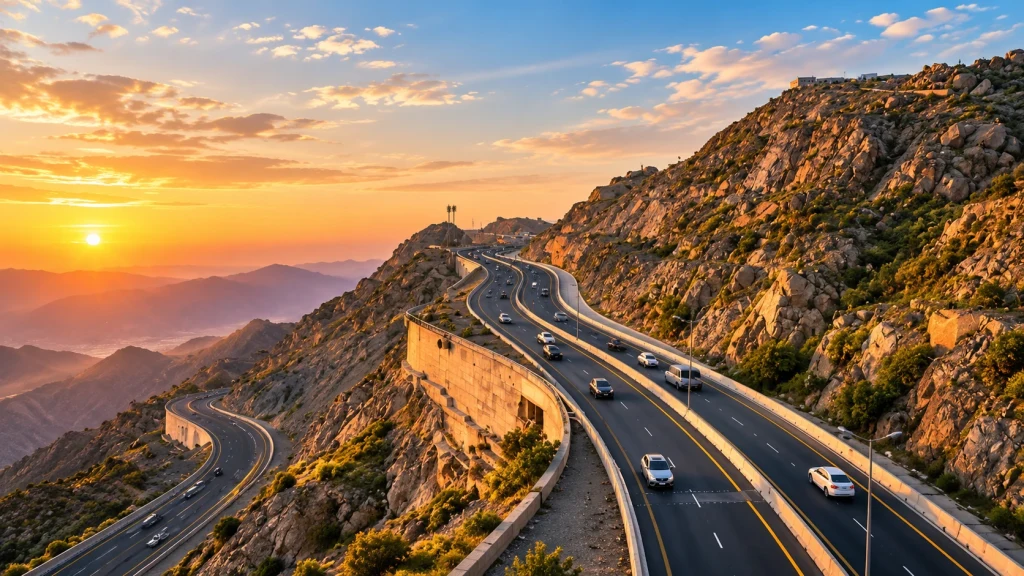
Taif is about 90 km from Makkah, high in the Sarawat mountains, and is often several degrees cooler. Families staying in Makkah often take a day trip there. The drive up the al-Hada road, with its long series of hairpin bends, is one of the most scenic in the Kingdom. On this route you pass Wadi Mahram, one of the two mosques of the miqat of Qarn al-Manazil.
Popular stops in Taif include:
- Al-Rudaf Park, with its unusual granite rock formations.
- The al-Shafa highlands, with farms and wide views.
- The rose farms, famous for Taif rose oil. The flowers are picked in spring, so plan around the season.
- Masjid Abdullah ibn Abbas and the old market in the city centre.
- Fruit and honey stalls along the mountain roads.
A Taif trip usually takes a full day. We agree the stops and the return time with you before you set out.
Choosing the vehicle
- A Hyundai Staria is the most popular choice for families with children and elderly parents.
- A GMC Yukon suits guests who want more comfort, for example a visiting delegation or older relatives.
- Groups from an Umrah company or hotel travel by coach. See bus rental.
Before you go
- Start early. Mornings after Fajr are cooler and the roads are quieter.
- Bring water and comfortable shoes, especially if you plan to climb Jabal al-Nour.
- Visiting rules at some sites are set by the authorities and can change, particularly around the Hajj season.
- We provide the car and driver. If your group wants a guide or scholar to explain the history, your Umrah company can arrange one.
Related services
For complete pilgrim programmes see Hajj and Umrah transport. Heading to Madinah after Makkah? See Madinah ziyarah tours.
Questions
How long does a Makkah ziyarah trip take?
A city tour of the main sites usually takes three to four hours, depending on traffic and how long you stay at each stop. A Taif trip is a full day.
Can we combine Makkah ziyarah and Taif in one day?
It is possible, but it makes for a long day. Most families enjoy it more as two separate trips.
Is ziyarah available during the Hajj season?
Access to Mina, Muzdalifah and Arafat is restricted during Hajj. Send us your dates and we will tell you what can be arranged.
Can you pick us up from our hotel near the Haram?
Yes. Give us the hotel name and we will confirm the pickup point, which depends on the traffic arrangements around the Haram.